Blog

From scraps of paper to mountains of files – the long aftermath of the Stasi files

The Stasi files remain a symbol of the SED dictatorship’s surveillance. How they are managed continues to shape how GDR history is reappraised. This blog explores the long and difficult process of confronting this legacy Read more

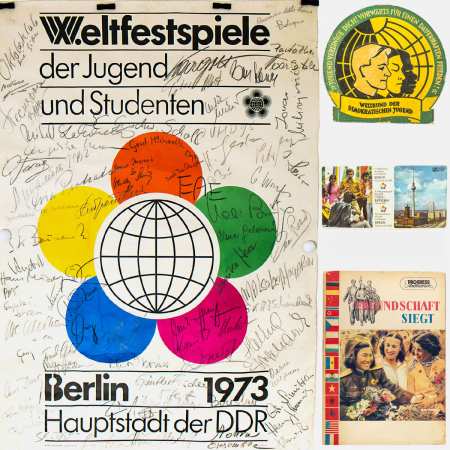
The World Festival of Youth and Students

First held in Prague in 1947, the World Youth Games seem like a Cold War phenomenon, but the leftist World Federation of Democratic Youth, which organises the Games, is still active today. In this blog post, we focus in particular on the two festivals in the GDR. Read more

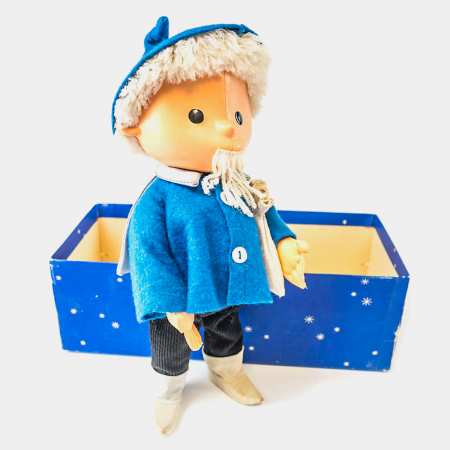
»Sandman, dear Sandman...«

The Sandman is the evening companion of many children before bedtime. Since 1959, he has been taking them on adventures around the world and to faraway galaxies. The little man is one of the GDR inventions that continue to delight young and old to this day. Read more

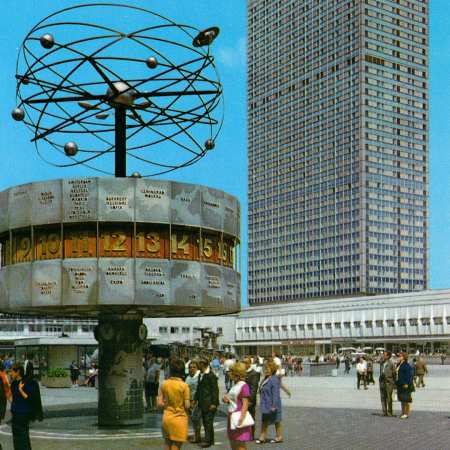
The World Time Clock

With each political turn, the Alexanderplatz square changed its face. The »Alex« thus became a kind of monument to 20th century architecture. At the intersection of the visual axes is East Berlin's most popular meeting place – the World Time Clock. Read more

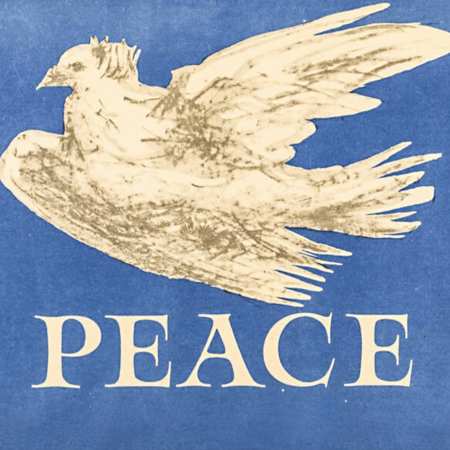
The Peace Dove

The peace dove was one of the most widespread political symbols in the GDR. As a symbol of peace, it was sung about in a song and has been emblazoned on the wall of a building at the entrance to Berlin's Nikolai district since 1987. Numerous objects with the peace dove symbol are also in the collection of the DDR Museum. Read more

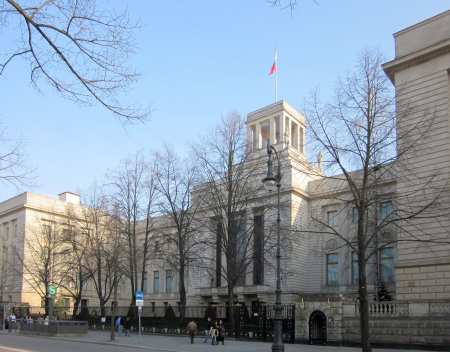
The Soviet Embassy in Berlin

The heavy block of the Russian embassy with its large iron gate stands strangely alien among the functional office buildings of the sixties. Yet the building, which opened in 1952, is by no means a foreign body in the German capital. Read more

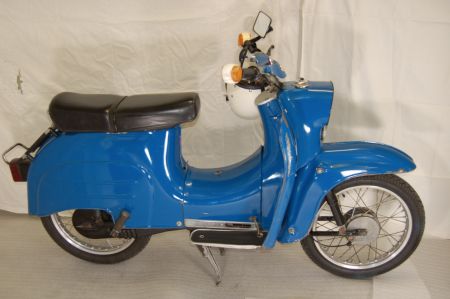
The Schwalbe

Nowadays, the moped »Schwalbe« is iconic. This article explores its history and survival through German reunification in more detail. Read more

And what should stay? Thoughts on remembering the DDR

Until the present day, remembering the DDR has many diverse facets and the relics from the past are powerfully present, as they are still keeping it alive. Some thoughts on commemorative culture. Read more

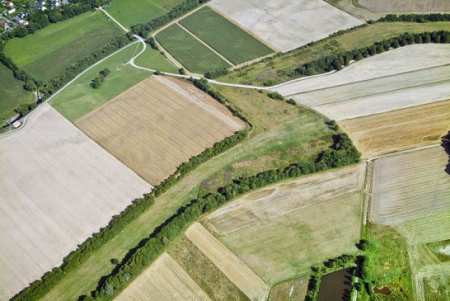
Part XIV: Nature in the border area

The construction of the Wall and the Iron Curtain may have represented a limitation of the range of movement for many people, but the border installation, covering a total of 1400 kilometers, was a lucky chance for many animals and plants. Read more

Part XIII: DDR products

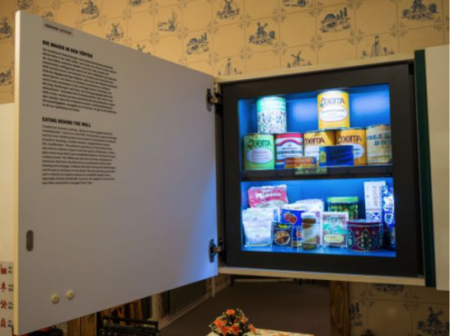
The border between the two German states did not only divide the people into East and West, but also the product world. Some of the articles which were developed in the DDR have survived the transformation after 1989 and have their fixed place in today's supermarkets in western and eastern parts of Germany. Read more

Part V: Traffic Signs – The Ampelmännchen

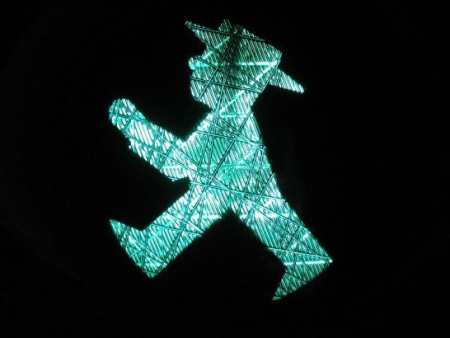
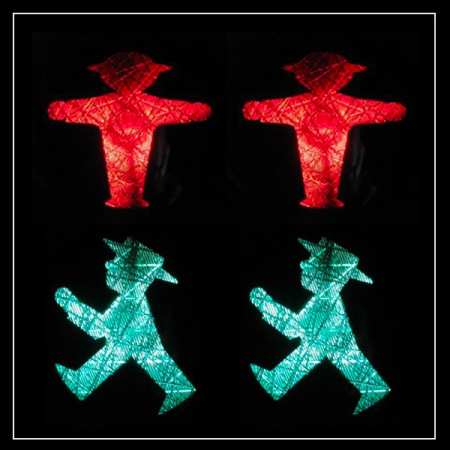
Until this day, the East-German Ampelmännchen remains highly popular, appearing more likable and dynamic than its West-German counterpart. It clearly signals when to cross the street and when to wait for the traffic to pass. Read more

The East German traffic light man

The East German traffic light man looks back on an eventful part of history. It was invented by Karl Peglau in 1961 and adorned the streets of the GDR from 1969. After reunification, its existence was quickly put under threat. But the tide turned and the East German traffic light man became a cult brand. Read more

Part II: The Soho House Berlin or the long forgotten „House of Unity“

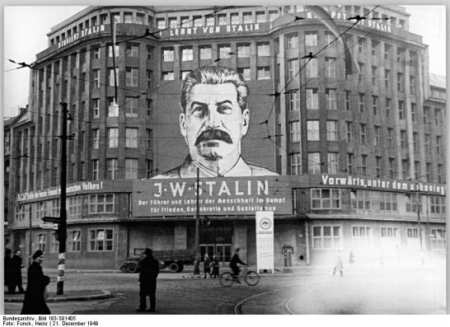
On the corner of Prenzlauer Alle and Tor-/ Mollstraße stands a pompous building, which today is considered a popular place of shelter in the capital for international actors such as Brad Pitt or George Clooney. The Soho House Berlin is an exclusive club with combined living and work spaces for artists, journalists, directors and managers from the media sector. Read more