Blog

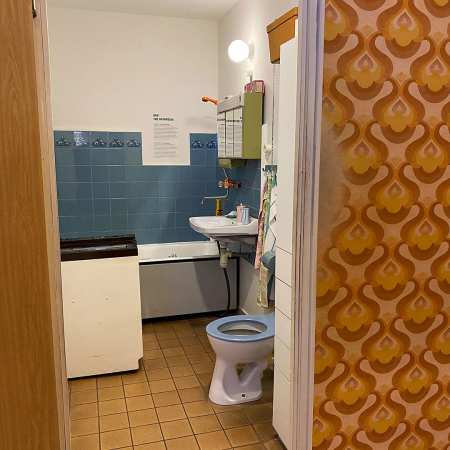
10 popular places in the exhibition of the DDR Museum

The DDR Museum's exhibition is full of exciting places to discover. In this blog, we present the 10 most popular places in the exhibition based on selected pictures taken by museum visitors. Read more

10 Objects from a GDR Summer Holiday

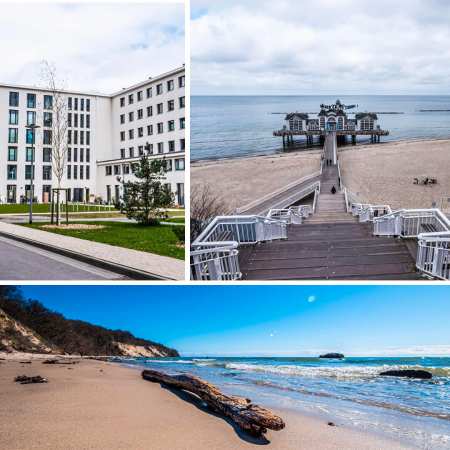
Many families went to the Baltic Sea for their summer holiday. But many holiday spots were limited and, thus, very high in demand - even in the camping sites. Our collection contains many objects that might have accompanied a summer holiday. We present 10 of them in this blog post. Read more

Katie McCarthy – Intern at the DDR Museum

We are pleased to introduce the DDR Museum's new intern. Katie McCarthy has been supporting our team since August and has answered 10 questions for us. Read more

Interview Eric Strohmeier-Wimmer - Scientific Director of the Collection

We are pleased to introduce the new scientific director of the collection of the DDR Museum. Eric Strohmeier-Wimmer has been working in our collection since April and answered 10 questions for us. Read more

Sink bath

According to the guarantee certificate, this sink from VEB Starkstrom-Anlagenbau Magdeburg (VEM) dates from 1973 and is a real eye-catcher. In this article we show pictures and further information about this object. Read more

The World Festival of Youth and Students

First held in Prague in 1947, the World Youth Games seem like a Cold War phenomenon, but the leftist World Federation of Democratic Youth, which organises the Games, is still active today. In this blog post, we focus in particular on the two festivals in the GDR. Read more

Our five most bizarre objects

The DDR Museum's collection now comprises more than 300,000 objects. Out of these objects around 13,000 can be viewed in our object database, which can be accessed free of charge online. Here we present five particularly bizarre pieces. Read more

The dacha as a symbol of everyday life in the GDR

The allotment garden was common and extremely popular in the GDR under the Russian name »dacha«. For many, the dacha became a place of private retreat and a source of sustenance, forming the centre of their lives. Read more

Children’s sewing machines from VEB Piko

Children's sewing machines are the perfect way to introduce children to the art of sewing in a playful way. Smaller versions of conventional sewing machines are less complicated to use and allow children to have a lot of fun during their first sewing attempts. Read more

Dioramas: Hammer, Compass, Wreath

In three dioramas created exclusively for the DDR Museum, we use the hammer, compass and wreath, the symbols of the GDR coat of arms, to illustrate the social classes of the state and their significance. Read more

The way to adulthood: youth initiation ceremonies in the GDR

Most young people in the GDR were accepted into the adult world through the »Jugendweihe« or »youth initiation ceremony«. However, the history of these celebrations began long before this in the middle of the 19th century. Read more

1 May as a »Day of Combat and Celebration« in the GDR

Between 1949 and 1989, 1 May was celebrated annually in the GDR with great ceremony as the »International Day of Combat and Celebration of the Working People for Peace and Socialism«. In addition to awarding prizes, the state leadership used the occasion to show itself to be close to the people in public. Read more

Special exhibition »A nation and its heroes«

The special exhibition »A nation and its heroes – 25 tales from the DDR« in the foyer of the museum portrays well-known and unknown personalities whose deeds became part of the country's history. Read more

Local history lessons in GDR schools

The subject »Heimatkunde« was taught at schools in the GDR from years 2 to 5 and was intended to educate children on local history. However, the term was not an invention of the GDR. In this article, you can find out about what was taught in local history classes in the GDR. We also show you textbooks and exercise books from our collection. Read more

Lenin and his reflection in the GDR

Although Vladimir Ilyich Ulyanov, better known by his fighting name Lenin, died in 1924, his Marxist theories in particular had a decisive influence on the GDR and its development. Read more

The Influence of Soviet Products and Culture on the GDR

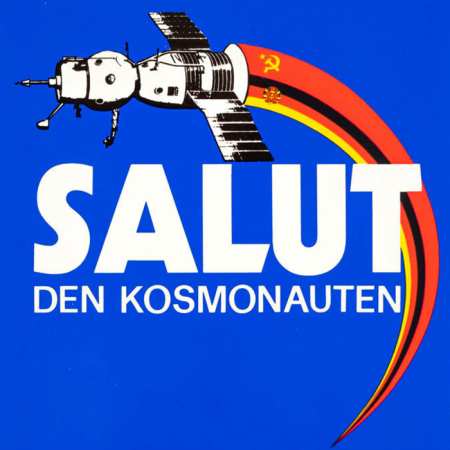
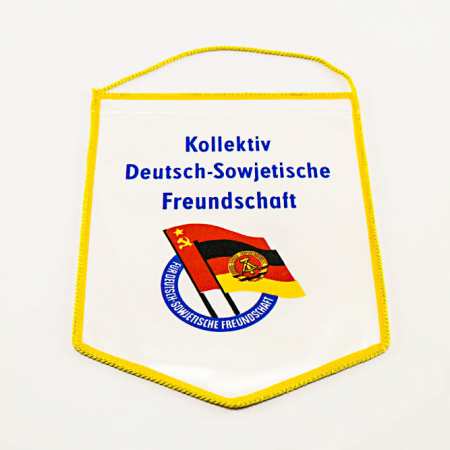
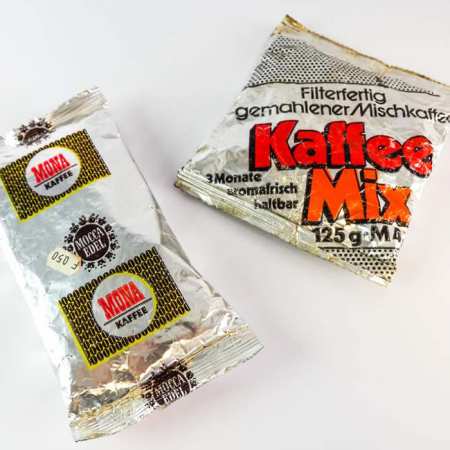
The GDR emerged from the Soviet occupation zone in 1949 and had been closely related to and dependent on the »Big Brother« for the 40 years of its existence. So it is not surprising that everyday life and culture were influenced by Russian products. We present selected objects from our collection. Read more

»AKA ELECTRIC«: Household gadgets from the GDR

To this day, many people are familiar with the various products of »AKA ELECTRIC« and even still use them. Smaller brands and companies were gathered under the umbrella brand until the end of the GDR. We show a selection of household gadgets from the collection of the DDR Museum. Read more

Karl Marx and his influence in the GDR

The philosopher and communist theorist Karl Marx (1818-1883) died long before the founding of the GDR, but his theses and ideas significantly influenced the socialist state as well as its ideology. This issue of the collection blog focuses on Marx's work and his impact on the GDR. Read more

The Leipzig Trade Fair

The Leipzig Trade Fair is far older than the GDR could ever become. In GDR times, it took place annually in spring and autumn and put the Saxon city in a state of excitement. We show you an excerpt of the objects that promoted the fair location and the fair itself. Read more

»Sandman, dear Sandman...«

The Sandman is the evening companion of many children before bedtime. Since 1959, he has been taking them on adventures around the world and to faraway galaxies. The little man is one of the GDR inventions that continue to delight young and old to this day. Read more